
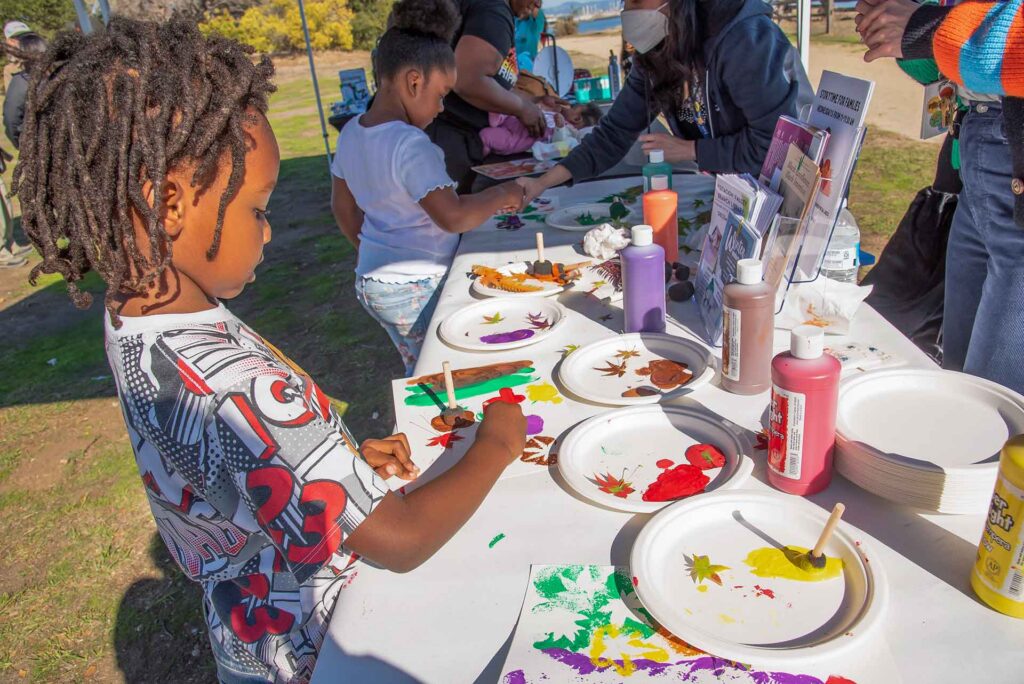
Across California’s state parks, history lives in the land — in preserved buildings, cultural sites, interpretive programs and the voices that guide visitors through them. Among these are the stories of Black Californians whose leadership, labor, artistry and advocacy have helped shape our communities and public lands, leaving a lasting impact that continues to inspire us.
Recognizing and sharing this history is more than remembering the past. It’s about ensuring our parks reflect the full story of California so that every visitor can see themselves in the places we care for together.
Through partnerships across the state, Parks California supports programs that bring these stories to life, including collaborations with grantees like the San Joaquin Joint Powers Authority who helps more Californians experience the layered history of our state parks. Expanding opportunities for Black youth and families to explore these places firsthand helps build lifelong connections, understanding and a sense of belonging.
Partnership in Action: Removing Barriers
Transportation remains a significant barrier for many people hoping to visit parks across California, especially rural destinations like Colonel Allensworth State Historic Park, located north of Bakersfield.
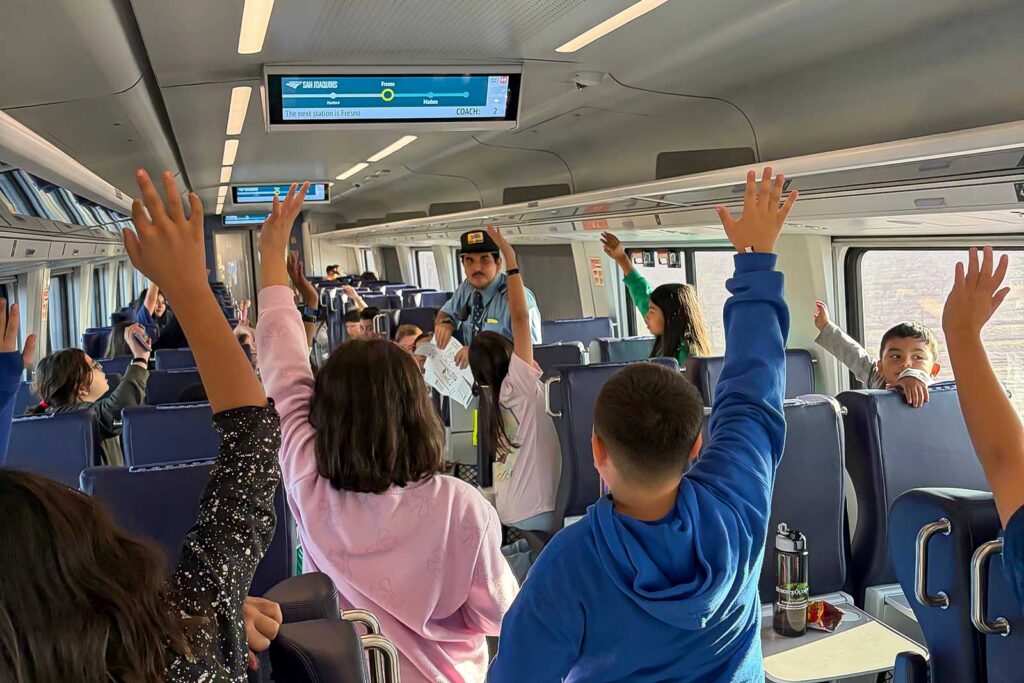
Through its rail and bus network, the San Joaquin Joint Powers Authority connects communities to more than 100 destinations statewide. A Route to Parks grant helps power its History and Heritage Along the Tracks project, offering subsidized train tickets and meal vouchers so students and community members can travel to Allensworth for Black History Month and Juneteenth programs.
Launched in 2024, more than 300 passengers joined the first event, and more than 500 travelers participated in 2025. At this year’s Black History Month event on Saturday, Feb. 7, 162 people attended, including more than 100 elementary and middle school students. For most, it was their time riding the train, and nearly 80 percent were visiting Allensworth for the first time.
For many students, the journey itself was part of the experience. Members of the Buffalo Soldiers Legacy Program traveled alongside them, sharing the rich and important history of Black military service.
“The opportunity to ride the Gold Runner Train allowed me to share Colonel Allensworth and my Buffalo Soldiers Legacy Program with fellow travelers, providing an interactive educational experience,” said this year’s participant, Trooper Jones. “I have been supporting the historical state park for many years now, usually traveling with my horse, making it a several-day trip. The opportunity to ride the Gold Runner was very stress-free and extremely convenient to continue my support of Colonel Allensworth State Historic Park. Sharing the journey with others was priceless.”
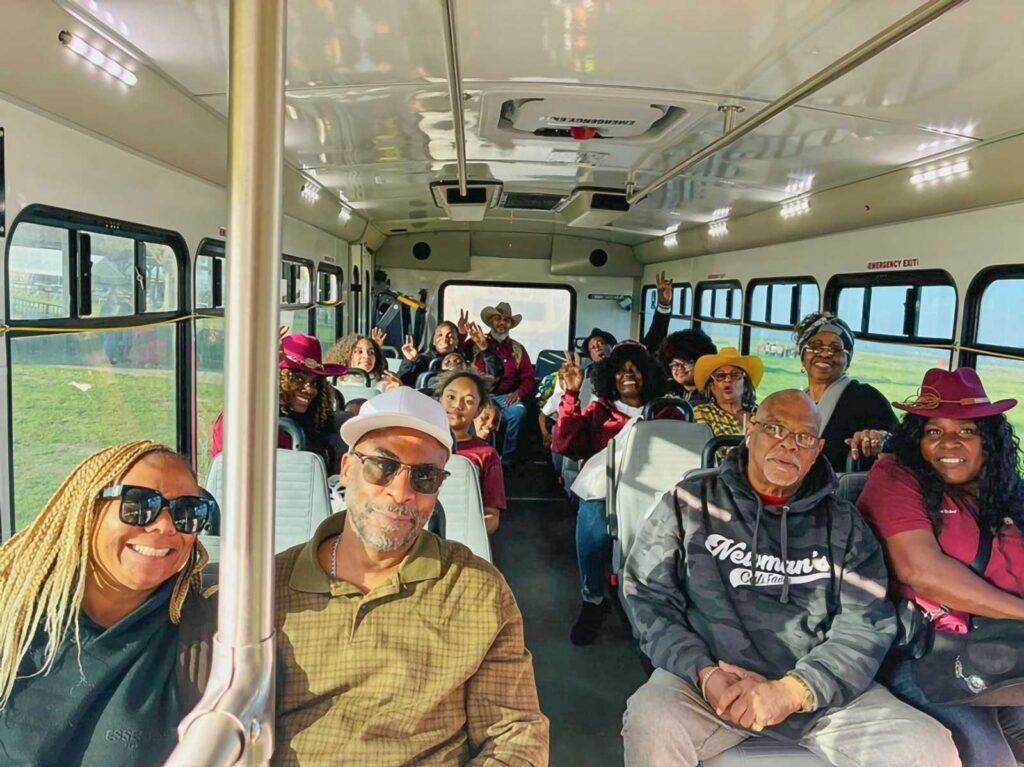
By covering transportation costs and coordinating shuttles from the station to the park, the program removes the transportation barriers that have historically limited access, especially for youth, families and older adults.
Special event trains, discounted fares and coordinated shuttle service help make the journey to our parks and public lands accessible and memorable for everyone.
We are grateful to partner with San Joaquin Joint Powers Authority and Gold Runner, who continue to demonstrate how transportation agencies help expand access to California’s cultural and natural heritage sites.
Creating and sustaining public spaces rooted in history
Sharing the full story of California also means recognizing parks born from community collaboration and shaped by Black leadership.
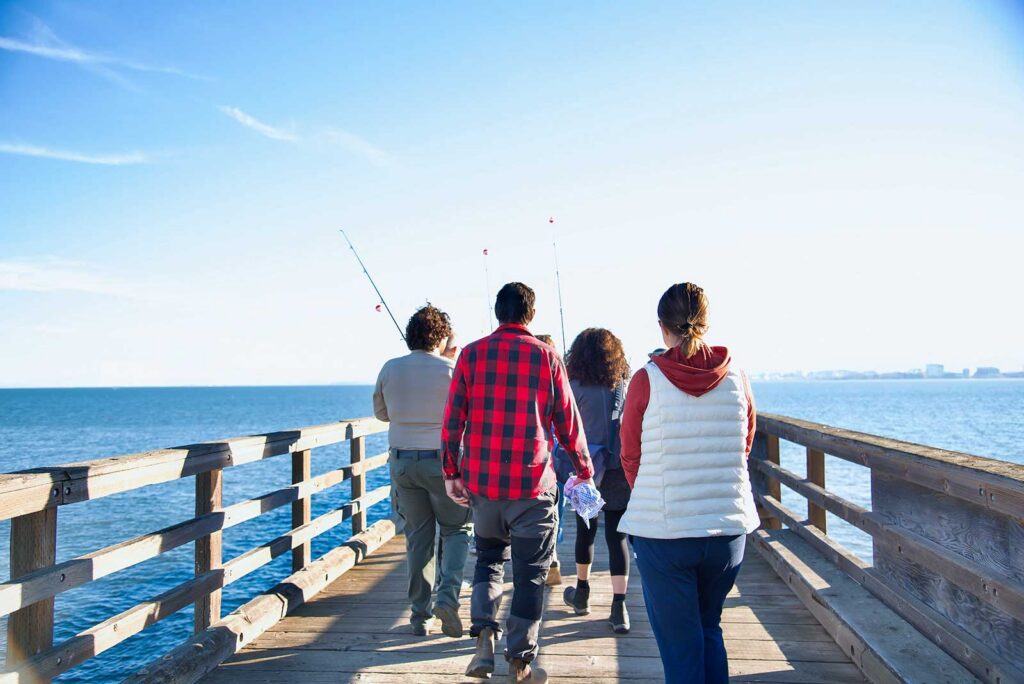
Candlestick Point State Recreation Area, in San Francisco’s historically Black Bayview-Hunters Point neighborhood, became California’s first urban state park in 1977. Community members played a key role in shaping the park’s design, using the natural shoreline to create a welcoming space for their neighborhood.
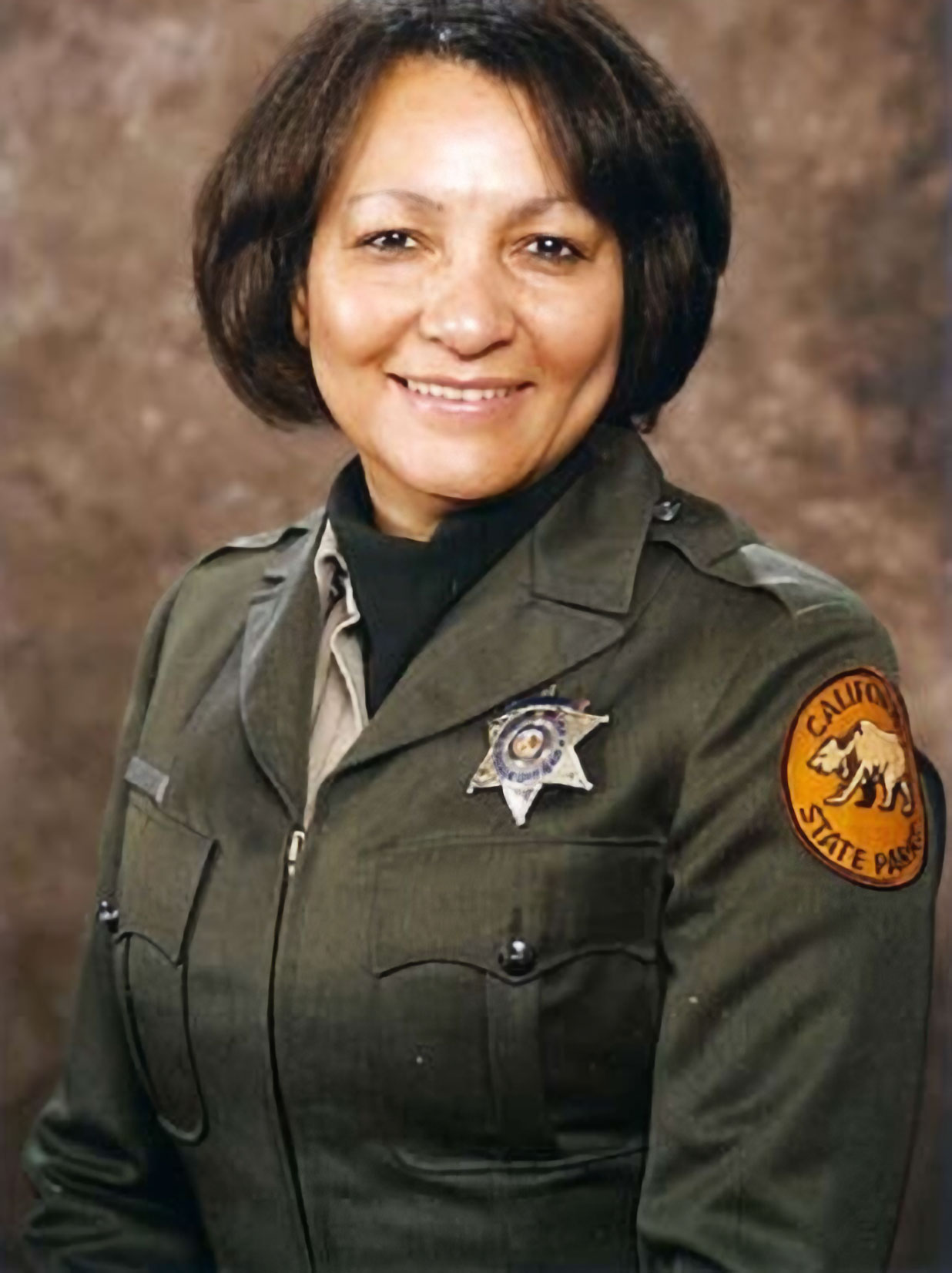
Photo: California State Parks
The park’s legacy is also shaped by trailblazing leadership. In 1975, Carol Nelson became the first Black woman to serve as a state park ranger at Candlestick Point. In 1982, she became the first Black person and first woman to serve as a field superintendent in California State Parks history. Her leadership helped make the park a place where local families gathered, learned to fish and celebrated milestones together. Carol also played a key role in launching the San Francisco Youth Enrichment Task Force, opening doors for youth from inner-city and underserved communities to connect with parks and cultural experiences.
Sharing the Full Story of California
California’s state parks hold powerful stories of Black leadership. From the transportation partnerships led by San Joaquin Joint Powers Authority that make visits to Colonel Allensworth State Historic Park possible to giving communities a real voice in planning, these efforts reflect what meaningful access truly looks like.
Together with California State Parks, Parks California remains committed to ensuring more Californians can experience and share the stories of these extraordinary places, during Black History Month and every day.