

Sun. Sand. Waves.
California’s state beaches offer endless ways to soak up summer. Across the state, visitors can enjoy everything from surfing, paddling, exploring the coast to community events like those created by our Art in California Parks grantee Queer Surf, where ocean recreation and queer-centered art come together to build connection, creativity and a shared appreciation for California’s coast.
Beach days are a great way to spend the longer, warmer days, but alongside your sunscreen and beach towel, don’t forget to bring a commitment to water safety.
We connected with California State Parks lifeguards from Orange and Santa Barbara counties to hear what they wish every visitor knew before heading to the beach. Their advice will help you make the most of your summer while joining us in caring for California’s incredible coastline.
Meet the lifeguards

Gwyneth Russo has spent the past eight summers as an ocean lifeguard at Bolsa Chica and Huntington state beaches. Since graduating from the State Parks Lifeguard Academy in 2019, she has helped visitors safely enjoy the Southern California coastline and shares her love for the ocean every day.
Darren Moody serves as a State Park Peace Officer lifeguard in Santa Barbara County. His work blends public safety, ocean rescue and visitor education to help protect some of the Central Coast’s most dynamic beaches. Cooper Creese is a lifeguard at Gaviota State Park, where he helps lead seasonal lifeguard operations, monitors ocean conditions, educates visitors and responds to emergencies.
What inspired you to become a California State Parks lifeguard?
For every lifeguard we spoke with, the journey began with a love for the ocean. Inspired by family, childhood memories or just time spent at the beach, each found a calling in protecting California’s coastline and helping others experience it safely.
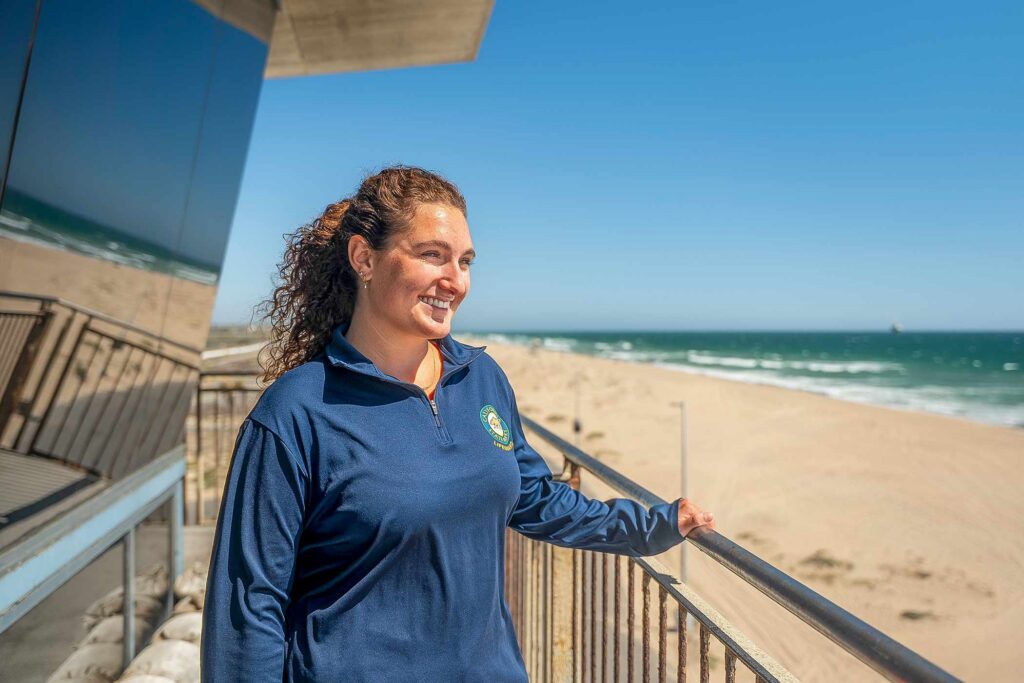
Russo: “I grew up attending the Junior Lifeguard program and looked up to my older brother, who was a State Parks lifeguard. Watching him inspired me to try out, and joining Junior Lifeguards at just 16 years old was one of the best decisions I’ve ever made.”
Creese: “Attending the Junior Lifeguard program as a kid — and the 2006 movie The Guardian.”
Moody: “Being a lifeguard is the best job in the world, and California may be the best geographic location in the world to be a lifeguard. The diverse coastline offers the opportunity to work in almost every type of ocean condition imaginable.”
What’s the biggest misconception visitors have about water safety?
One message came through loud and clear: never judge the ocean by how it looks. Even on warm, sunny days, conditions can change quickly, so preparation and awareness are essential.
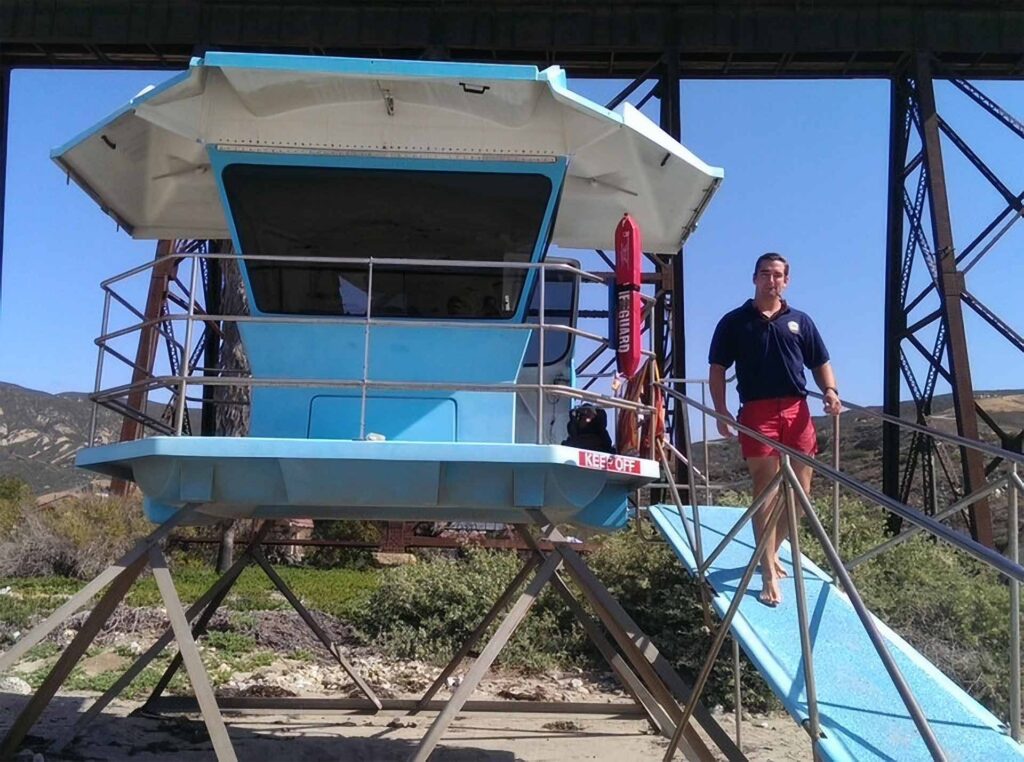
Russo: “Many visitors underestimate how powerful the ocean can be, especially rip currents and changing conditions. Even on days that look calm, the ocean can be unpredictable.”
Creese: “A nice, hot day doesn’t mean the ocean is safe. Water moves much faster than it appears to, and high inland temperatures can create offshore winds that affect ocean conditions.”
Moody: “Some visitors think that if they can touch the bottom, they’re safe, even if they’re not strong swimmers. The surf can quickly knock people off their feet, and rip currents can pull them into deeper water. Another misconception is thinking today’s conditions will be the same as yesterday’s. Ocean conditions are dynamic and can change rapidly.”
What’s one piece of advice you wish every visitor knew before heading to the beach?
If there was one recurring theme, it’s this: take a few minutes to prepare before heading into the water. Check the forecast, learn about rip currents or talk with a lifeguard. Small steps can make a big difference.
Russo: “Don’t hesitate to talk to a lifeguard before heading into the water. We’re here to share our knowledge of the ocean, answer your questions and help you have a safe and enjoyable day at the beach.”
Creese: “Check the wind forecast and tides before your visit, and plan accordingly.”
Moody: “Learn how to identify a rip current and what to do if you get caught in one. Rip currents account for approximately 85% of ocean rescues.”
How do lifeguards help visitors enjoy California’s beaches safely?
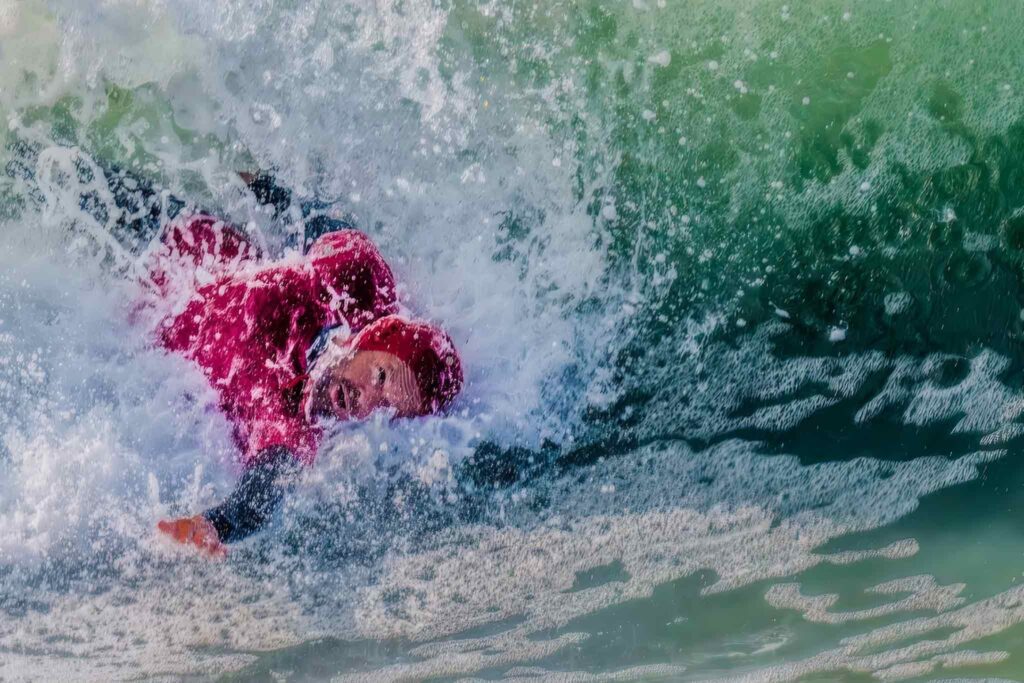
Many visitors only notice lifeguards during an emergency. In reality, most of their work happens before anything goes wrong. Lifeguards monitor changing conditions, answer questions and help prevent incidents before they happen.
Russo: “We educate visitors about ocean conditions, promote water safety and are there when emergencies happen. Our goal is to help everyone have a fun, safe day at the beach.”
Creese: “By being great communicators, anticipating hazards in the water and making preventative contacts.”
Moody: “Don’t hesitate to approach a lifeguard if you have questions—that’s what we’re here for. Just remember, while we’re talking with you, we’re also keeping our eyes on the water.”
What does caring for California mean to you?
For these lifeguards, caring for California means more than responding to emergencies. It’s about protecting the coast and helping everyone do their part to keep our beaches safe, healthy and welcoming for generations to come.
Russo: “Helping people recreate safely while protecting our beautiful beaches and natural resources for everyone to enjoy.”
Creese: “Cleaning up after ourselves and each other, sharing accurate knowledge about our parks and protecting the coastline and everyone who visits.”
Moody: “California’s state parks and beaches are treasures. Pick up your trash, respect nature and other visitors and responsibly enjoy your time in our parks.”
Before you go
Be sure to follow these water safety tips:
- Wear a properly-fitted, U.S. Coast Guard-approved life jacket around the water. Water-related incidents can happen suddenly, and wearing a life jacket is the best way to increase chances of survival. View locations where public agencies and private organizations loan life jackets to the public.
- If you encounter an ocean rip current, stay calm and do not fight it. Swim or float parallel to the shore until you are out of the current and then swim toward the shore.
- Seek help from a lifeguard or call 911 during emergencies.
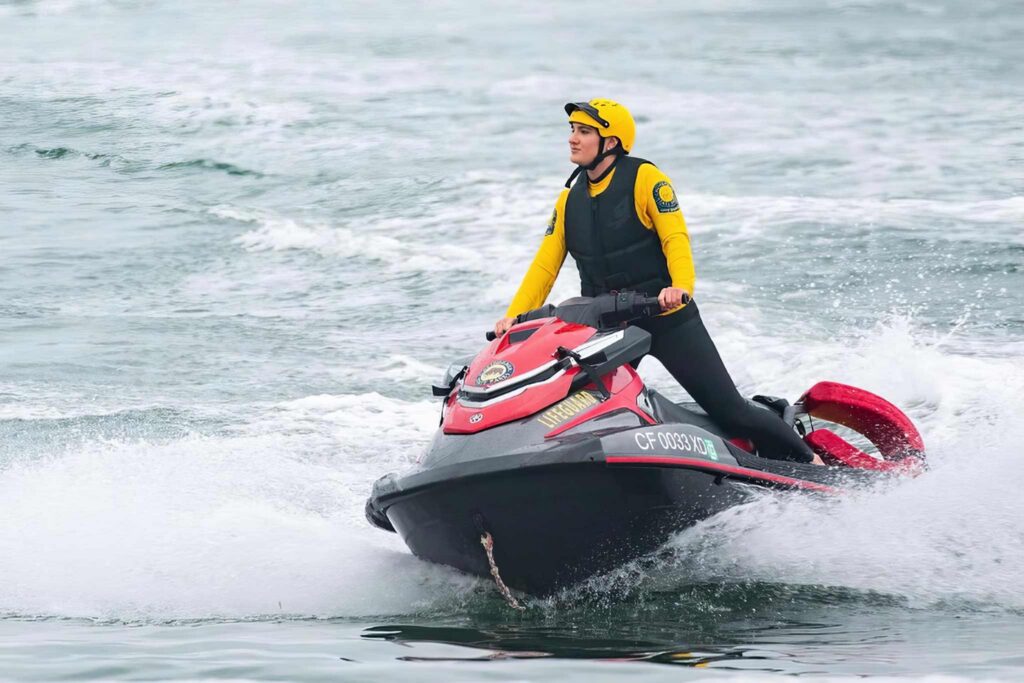
This summer, before you head into the water, stop by a lifeguard tower. Ask a question, learn about the day’s conditions and get to know the people who help keep California’s beaches safe. It’s one small way we can all learn to care for California, together.