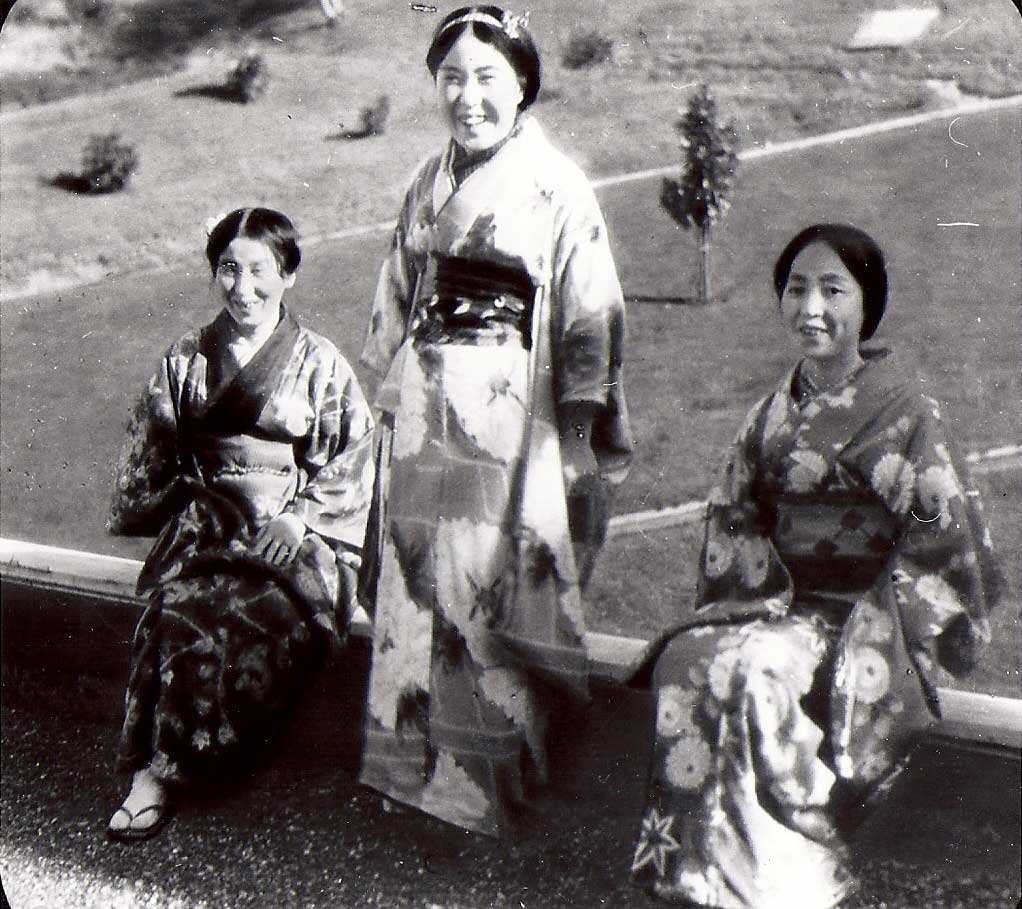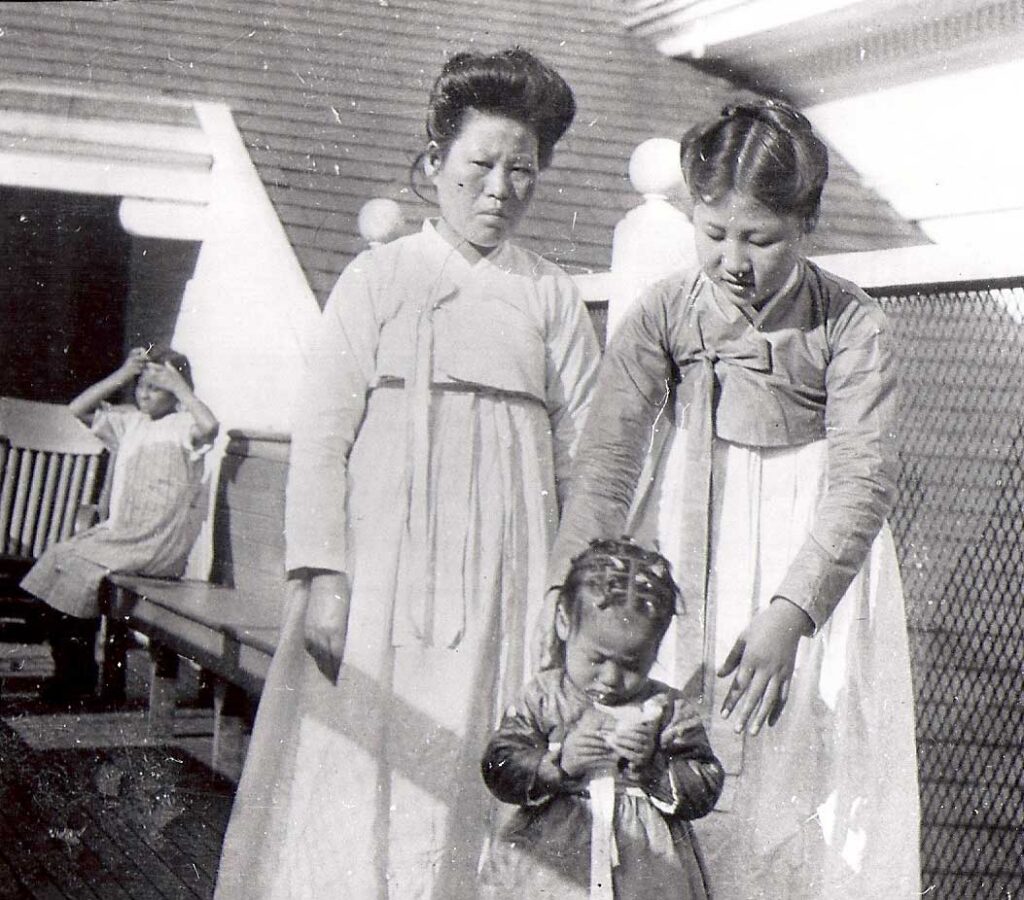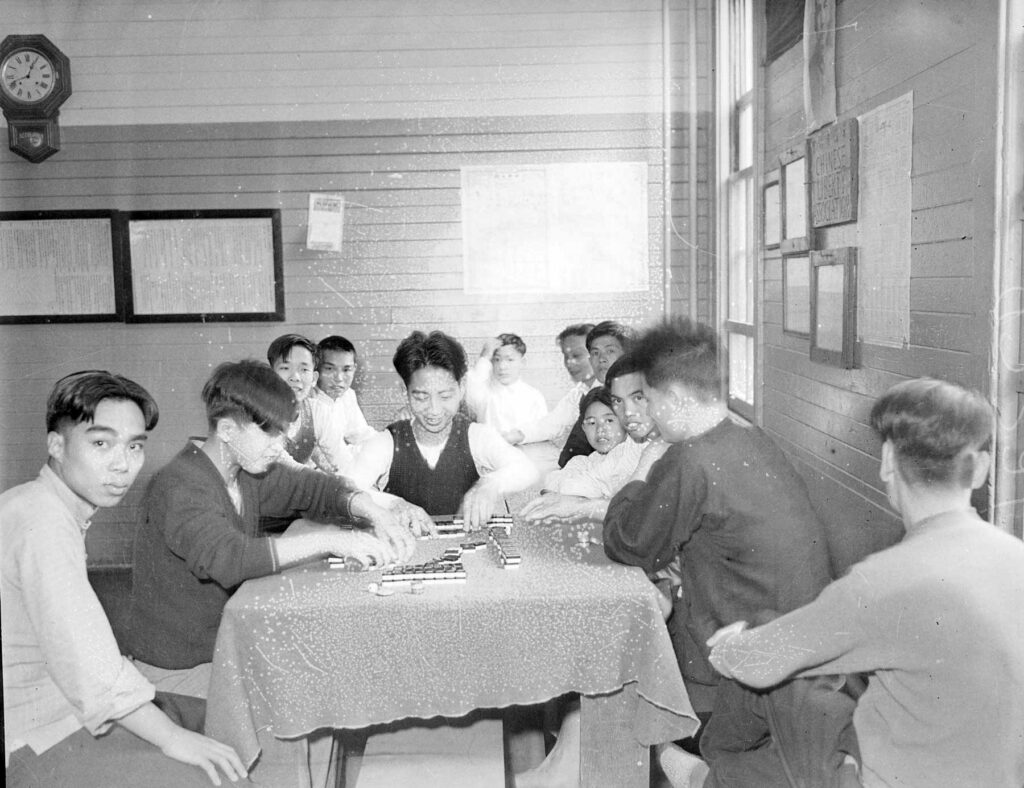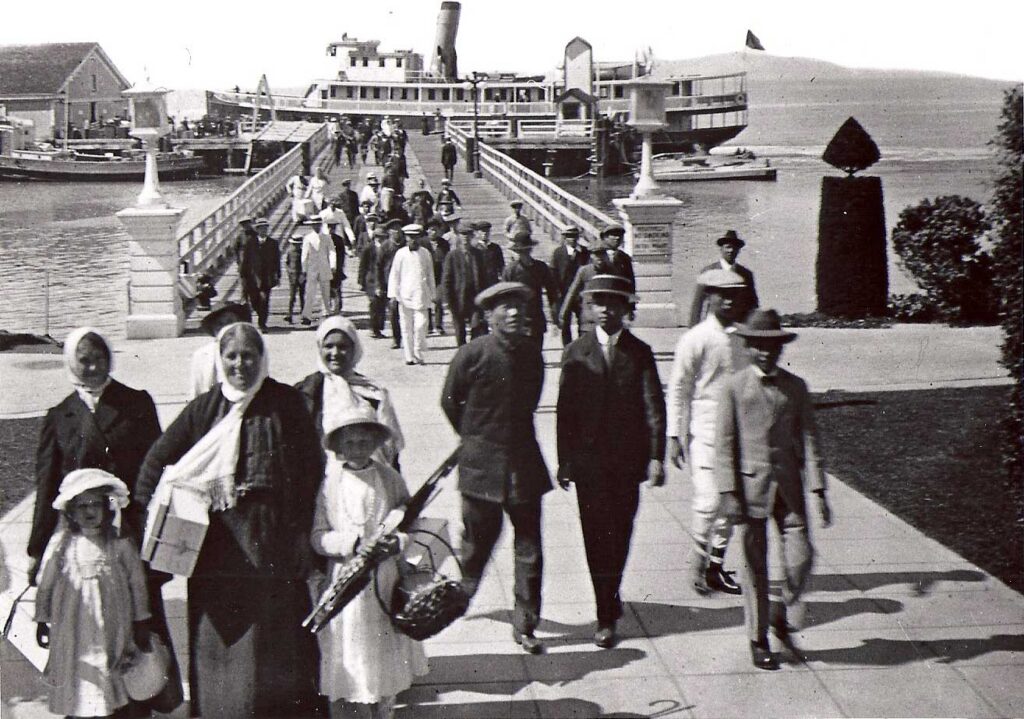
At Angel Island, history is embedded in the landscape — in the arrivals, the waiting and the journeys that brought people across the Pacific. Cynthia Pu, an Angel Island State Park interpreter, helps share with visitors the lived experiences of Asian American and Pacific Islander communities whose resilience and hope have shaped both this special place and the story of California.
The immigration station at Angel Island operated from 1910 to 1940 and was the largest on the West Coast. It was built to enforce the Chinese Exclusion Act of 1882 — the first major federal law to restrict immigration based on race — and later policies expanded those restrictions to other Asian communities.
Angel Island is sometimes called the “Ellis Island of the West,” but the experiences here were uniquely challenging for many Asian immigrants. Instead of a brief stop, many faced long detentions and difficult interrogations that tested their resolve. Some waited days, months or even years, all while holding onto hope for a new beginning in California.
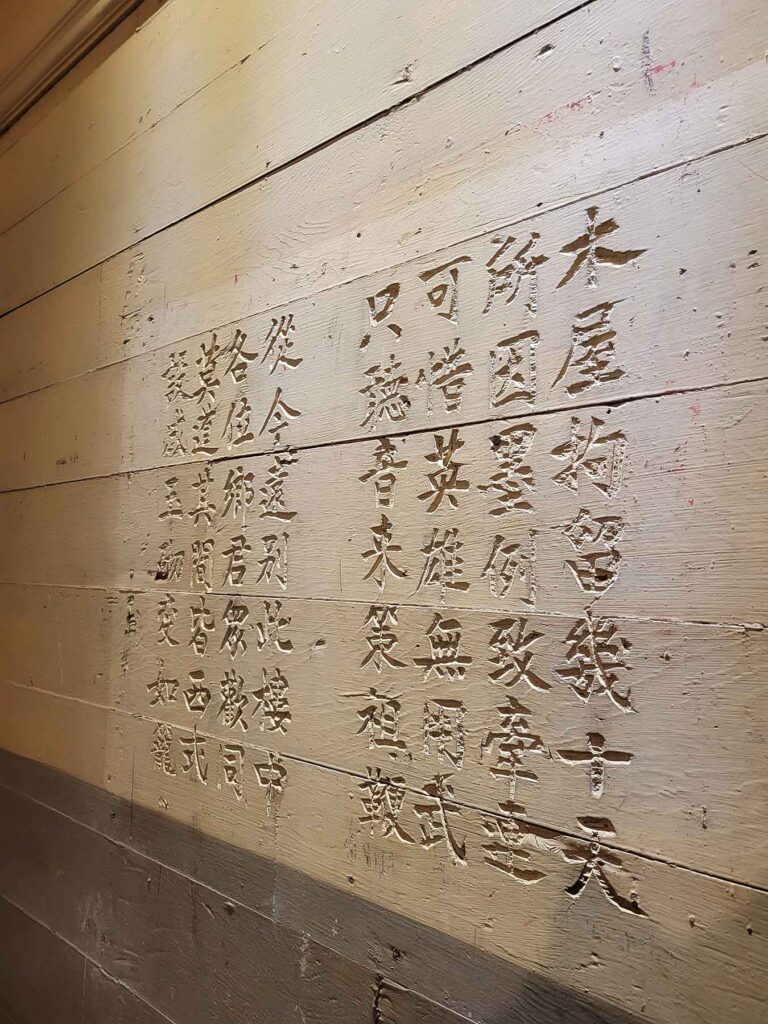
Inside the Detention Barracks, those experiences are still visible today. Detainees carved their names, dates and more than 200 Chinese poems into the wood with expressions of homesickness, frustration, hope and quiet resistance. These words remind us of the strength and spirit that carried people through difficult times.
For everyone who visits, these inscriptions offer a powerful, personal connection to those who came before us. They help make history real and immediate, inviting us to reflect on the journeys that have shaped California.
This history still echoes today. Some of the same fears and misunderstandings that once fueled exclusion persist in our conversations about identity and belonging. By recognizing these patterns, we can better understand how discrimination has shaped our past — and how we can work together for a more inclusive future.
Angel Island’s story is also one of community and perseverance. Despite daunting barriers, more than 90 percent of Chinese immigrants ultimately found their way into the United States, thanks to the strength and support of families and communities working together.
Families and community members shared resources, supported legal challenges, created coaching materials to prepare themselves and future immigrants for interrogations and organized education for children held in detention. These acts of everyday courage were led by ordinary people working together to support one another, reminding us of the power of people coming together to lift each other.
When visitors come to Angel Island, I encourage them to think about their own family journey and connections to this place. Migration underpins so many of our stories, and the experiences remembered at Angel Island invite us to reflect on our background and the communities that shape us.
Angel Island State Park is a place for learning, reflection and connection. By honoring the experiences of those who passed through the immigration station, we gain a deeper understanding of California’s story and how it continues to shape who we are today.
Learn more about visiting Angel Island State Park