
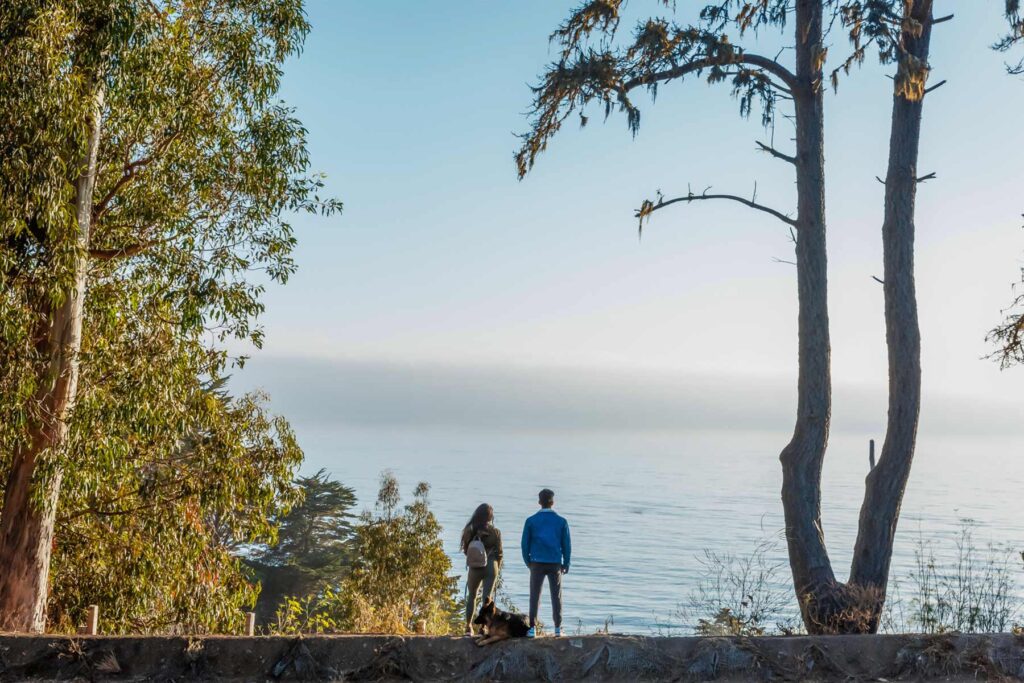
As we say goodbye to 2025, we’re grateful for the partners, tribal nations, community leaders, grantees and supporters who made this year one of meaningful progress for California’s parks. From climate resilience and cultural connection to community engagement, these Parks California milestones defined our work and offer a preview of what’s ahead.
1. Celebrating six years of Route to Parks
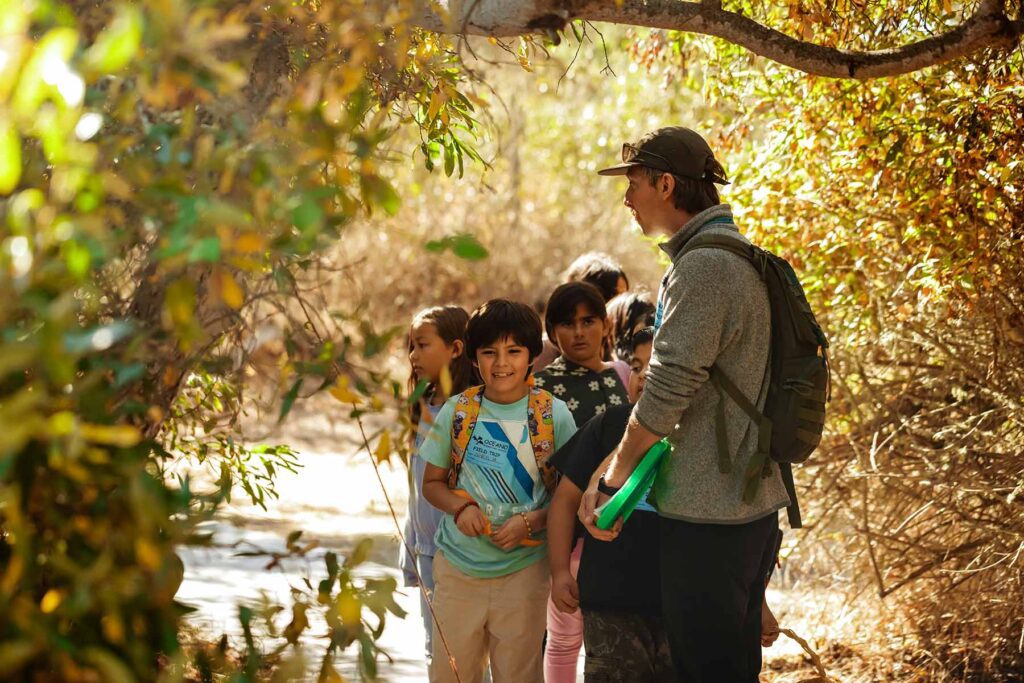
June marked the sixth anniversary of Route to Parks — Parks California’s first grant program — which helps reduce transportation barriers so more Californians can access state parks. Each year, about 30 nonprofit organizations receive funding to bring underserved communities to parks across the state. We look forward to welcoming new grantees in early 2026.
2. Expanding Arts in California Parks

Arts in California Parks grant program awarded $2.6 million to 30 organizations for projects celebrating California’s diverse heritage. From performances to cultural installations, this three-year, $8 million initiative supports creative work that honors heritage and strengthens community ties in parks across the state.
3. Launching the Santa Cruz Community grant program
In January, we launched a grant program to support community-guided planning at Seacliff, New Brighton and Manresa State Beaches and at the Rancho del Oso unit of Big Basin — areas affected by recent storms and wildfires.
The grants empower historically underserved communities, inviting them to connect with nature, engage with State Parks staff and share their ideas for future coastal facilities that are more equitable, resilient and inclusive.
4. Strengthening community connections at Candlestick Point State Recreation Area
This September, the annual Kite By The Bay festival welcomed more than 1,500 visitors — double last year’s attendance — to Candlestick Point State Recreation Area, as part of our years-long effort to work alongside the local community to re-establish this vital park. Families enjoyed music, food, activities and decorating and flying kites at the event designed to deepen community connection and strengthen the relationship between the park and its neighborhoods.
5. Building the future of climate stewardship in California’s parks
California’s parks are on the front lines of climate change, facing everything from rising temperatures to more extreme wildfires. This year, we focused on building capacity, partnerships and learning opportunities to help parks and communities thrive for years to come.
Some highlights from our climate and stewardship work include:
- Welcoming a new Climate Fellow to our team, who is building climate messaging tools and designing interpreter trainings. These efforts help strengthen how State Parks staff talk with visitors about how climate change affects our parks and how we can ensure our public lands stay resilient for the future.
- Supporting the 10-day Prescribed Fire Training Exchange — TREX — where more than 50 practitioners completed a 47-acre prescribed burn. TREX builds critical skills, advances Gov. Newsom’s directive on cultural and prescribed fire and strengthens collaboration across agencies and communities.
Parks California continues to support California State Parks in expanding and strengthening collaborative stewardship statewide, through efforts like the California Landscape Stewardship Network, a coalition of more than 36 regional partnerships working to care for California’s landscapes at scale. With donor investments, this network expands peer learning, deepens stewardship practices and creates new opportunities for innovation and equity.
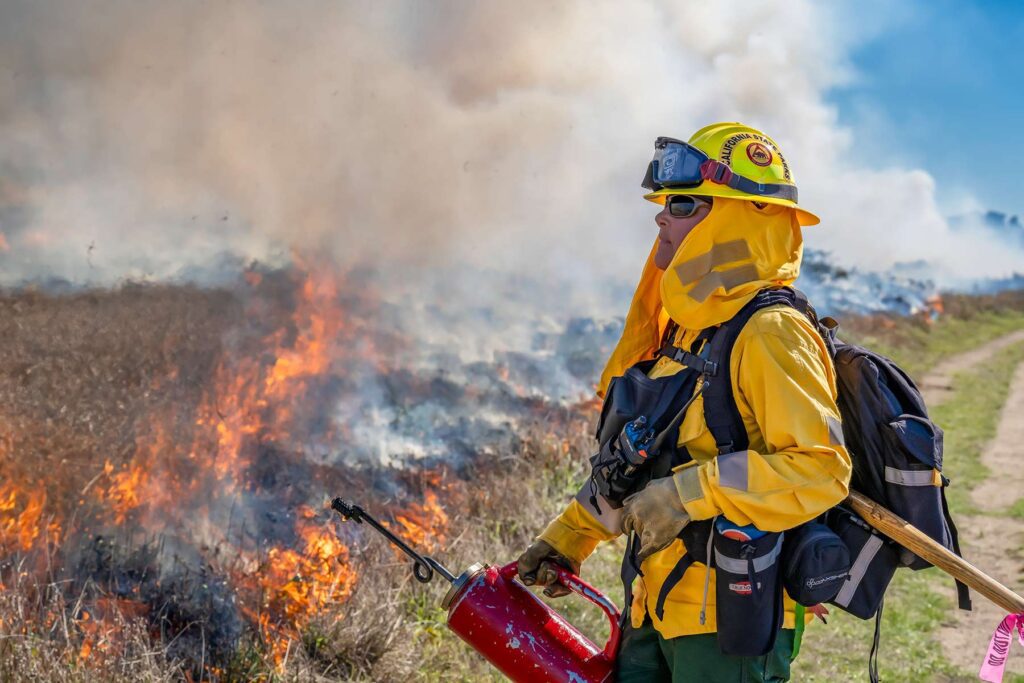
Photo: California State Parks
6. How better data and planning build resilient wildlife and parks
California State Parks manages nearly one-third of the Pacific Coast habitat for the Western Snowy Plover — one of the nation’s rarest shorebirds. The health of this bird tells us about the health of our coastal dunes and beaches. For years, data on snowy plovers was managed in different ways, making it hard to track statewide trends.
In 2025, Parks California continued working with the Natural Resources Division and Point Blue Conservation Science to improve how we monitor snowy plovers statewide. Together, we trained district staff, set up a unified data system and created stronger monitoring protocols. This consistent approach is now guiding species-wide recovery efforts, with state and federal agencies adopting similar methods.
To help parks better balance rising visitation with resource protection, we also expanded access to the Visitor Use Management Toolkit, developed with California State Parks and Oregon State University. The toolkit shares tips and real examples from Big Basin Redwoods State Park and Seacliff State Beach to help park managers manage visitor use and protect more sensitive natural areas.
7. Moving Big Basin’s recovery and reimagining forward
In 2020, the CZU Lightning Complex Fire burned more than 97% of Big Basin Redwoods State Park, destroying most of its historic facilities and reshaping the landscape. Since then, Parks California has been supporting California State Parks alongside partners, volunteers and community members, to plan the future of this iconic park.
This year, the Facilities Management Plan was launched, outlining design strategies, new site plans and a phased approach for rebuilding a more resilient and inclusive park.
Parks California has been an integral partner in this work, supporting the visioning and planning process, developing planning materials, integrating climate data and community insights, organizing site visits and public meetings and helping guide recovery and restoration efforts.
Together with State Parks and local partners, we’re helping shape a Big Basin that is safer, more resilient and ready to welcome future generations.
8. Welcoming the New Year with First Day Hikes
We’re closing out 2025 and looking forward to the return of one of State Parks’ most beloved traditions: First Day Hikes on Thursday, Jan. 1, 2026. This national initiative invites families and outdoor enthusiasts to start the new year with fresh air, community and guided adventures in parks across California.
From redwood forests to desert landscapes, choose from dozens of guided hikes that highlight nature, wildlife and cultural history. Whether you’re a seasoned adventurer or brand-new to hiking, it’s a powerful way to begin the year, and a reminder of the natural treasures waiting to be explored all year long.
Looking Ahead
Each milestone this year reflects what’s possible when communities, partners and champions work together. Thank you for helping make 2025 a year of connection, creativity and stewardship across California’s parks.
We look forward to seeing you on the trails, beaches, mountains and deserts in 2026, and maybe even at a First Day Hike to ring in the new year.