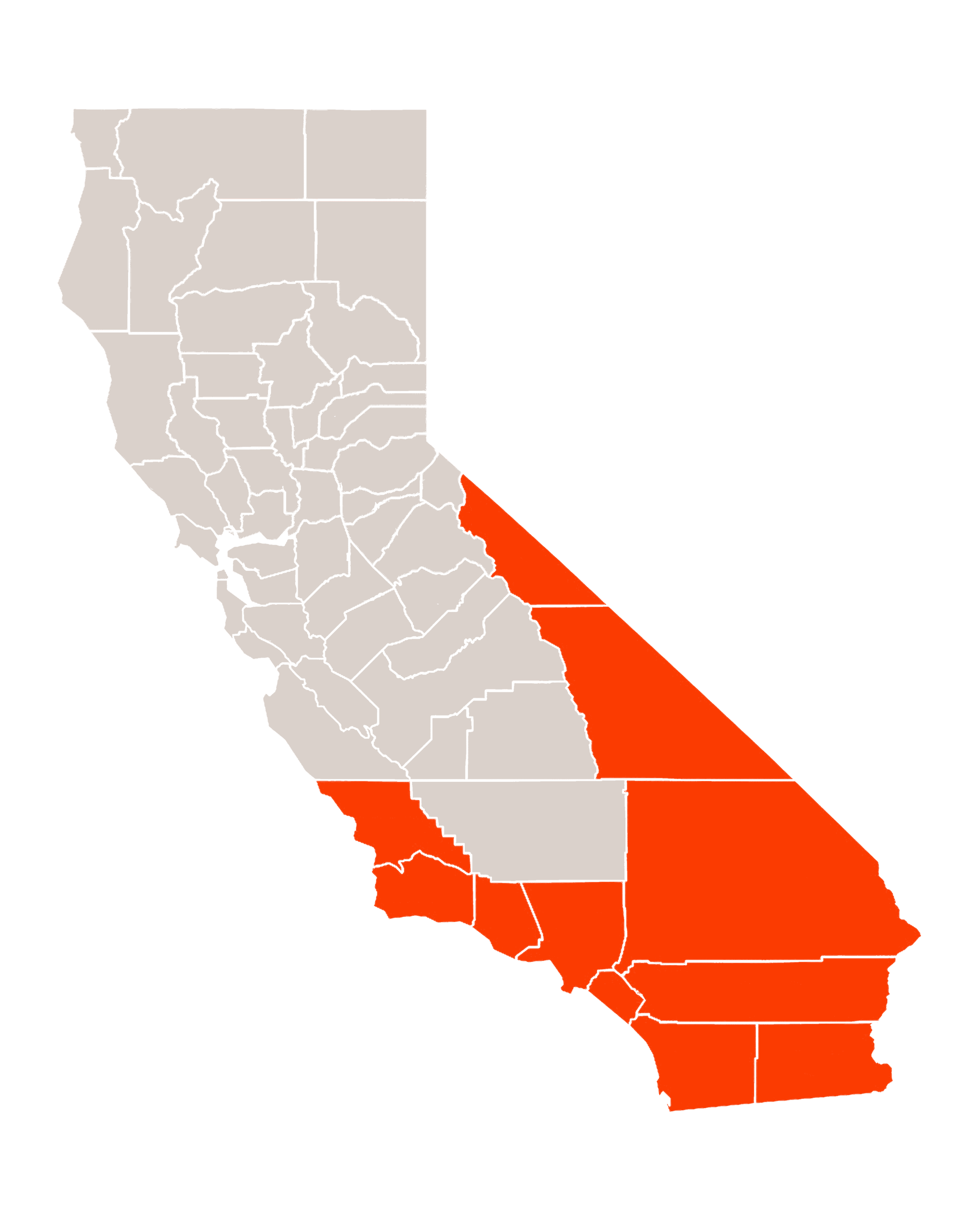
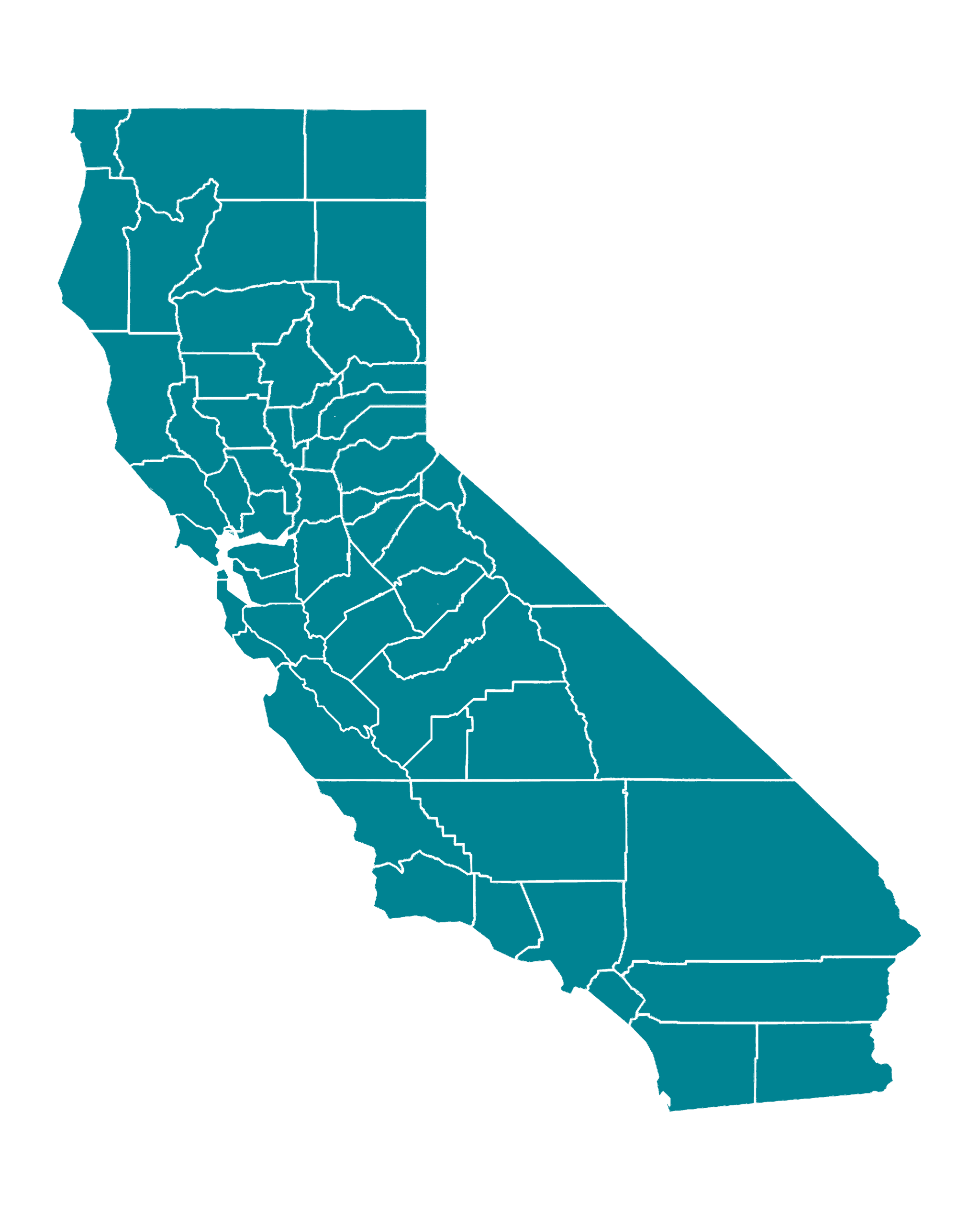
California’s parks stretch coast to mountain to desert, so does our work.
2025 Annual Report
Dear Friends,
California’s parks have always been more than places to visit. They are gathering grounds, classrooms, refuges and living reminders of what we share. In 2025, our sixth year, we saw that truth tested and reaffirmed.
When wildfires swept across Los Angeles in January, they reminded us how much these landscapes mean to the communities that depend on them. Parks California responded by raising funds to support park partners, and we are committed to being part of the recovery and rebuilding for Will Rogers Historic State Park and Topanga State Park in the years ahead.
Against that backdrop, the work you make possible has never felt more urgent, or more meaningful.
This year, our access grant programs reached a key milestone, having welcomed more than 100,000 people to California’s state parks since our founding. That success belongs to every donor, partner and grantee who believed that a park experience should be available to everyone, regardless of zip code, income or background.
Here is a glimpse of what that looks like in practice:
Opening doors
Through Route to Parks, Arts in California Parks, passPORTS and Every Kid Outdoors, we funded community-led experiences from Humboldt to Imperial County, removing financial barriers between families and the parks that belong to them.
Caring for the land
We trained park interpreters to communicate the realities of a changing climate, supported California’s first prescribed fire training exchange for 50+ practitioners and advanced watershed restoration planning that will guide conservation investments for years to come.
Building for what's next
Along with our partners, we released the public draft of the Big Basin Redwoods Facilities Management Plan, a five-year milestone born from community voices, and deepened our investment in the workforce that will carry this mission forward.
The stories in this report are proof of what is possible when communities, tribal nations, nonprofit partners and state parks staff work together. They inspire us. We hope they inspire you, too.
Thank you for being part of this work.
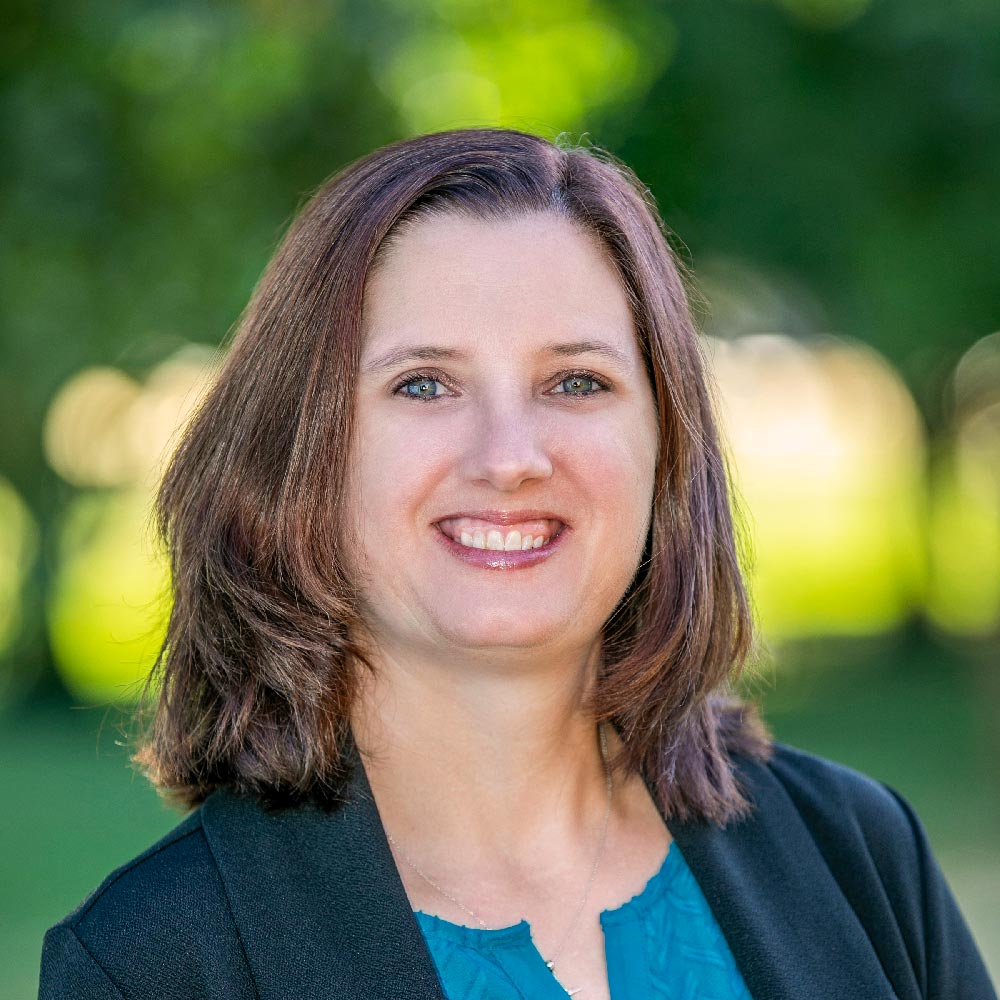
Kindley Walsh Lawlor
President & CEO Parks California
Deanna Martin Mackey
Chair, Board of Directors Parks California
Year in Review
We work to ensure everyone can experience and feel welcomed in our public lands.
Southern California
Art Rooted in Community
California’s parks hold stories that go far deeper than scenery. Arts in California Parks exists to help those stories find their way to the surface — through performances, installations and cultural experiences that invite communities to see themselves in these public places.
In 2025, Anawakalmekak’s Generations of Wisdom – Taaxor: An Indigenous Serpent Mound Project did exactly that. Indigenous youth, families and artists came together to create a ceremonial land-art installation — a gathering space that honors culture, storytelling and a people’s living relationship with the land.
It was one of 30 projects Parks California funded statewide — drawn from hundreds of proposals from community organizations across California ready to bring this kind of work to parks. With generous donor support, we can meet them there.
Community members and students take part in the Generations of Wisdom – Taaxor: An Indigenous Serpent Mound Project.
0
Organizations
$
0
.6M+
In funding
0
Participants
Parks California Spotlight: Anawakalmekak
When the Only Thing Missing is a Ride
Statewide
For many Californians, the barrier between home and a state park isn’t interest, it’s transportation. Route to Parks removes that barrier entirely, funding community and tribal organizations to design outdoor experiences rooted in local culture and built around the people they serve. Grantees have brought students, tribal youth, families, people living with disabilities and people rebuilding their lives to California’s parks, many for the first time.
In 2025, 31 organizations, like Grower’s First featured in the video, introduced more than 8,000 people to State Parks, bringing the program’s five-year total to more than 28,000 park visitors.
Growers First, a Route to Parks grantee spotlight
0
Grantees
$
0
M
In funding
0
Participants
Growers First, a Route to Parks grantee spotlight
Opening the Doors to Nature
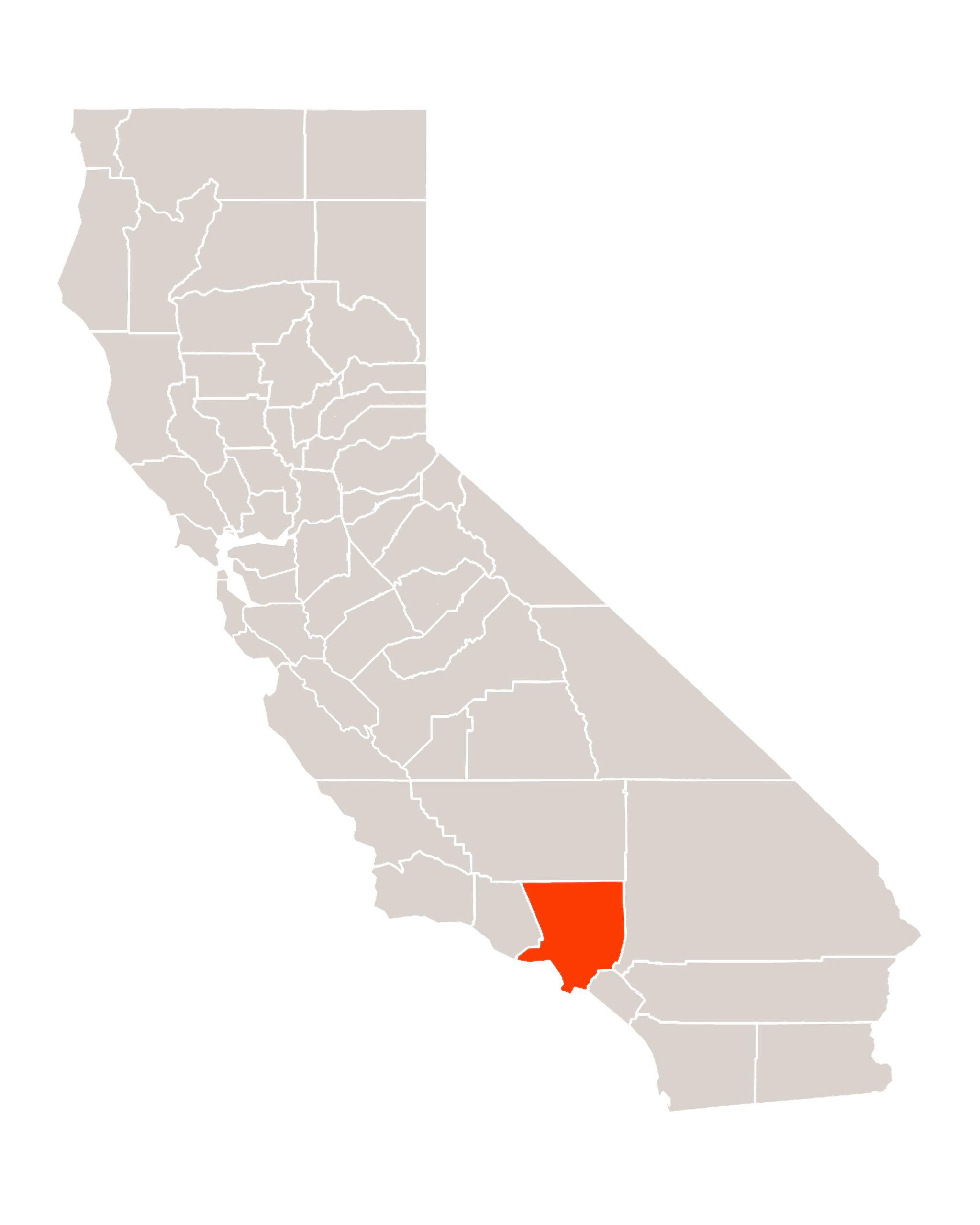
Los Angeles County
Research shows that early connections with nature have lifelong benefits — for people and for parks. Through Every Kid Outdoors, students from Long Beach Unified School District explored Baldwin Hills Scenic Overlook — connecting with California’s public lands through hands-on outdoor learning that helps young people see parks as places they belong.
Every Kid Outdoors, expanding access for families and kids
A Community Reclaims its Park
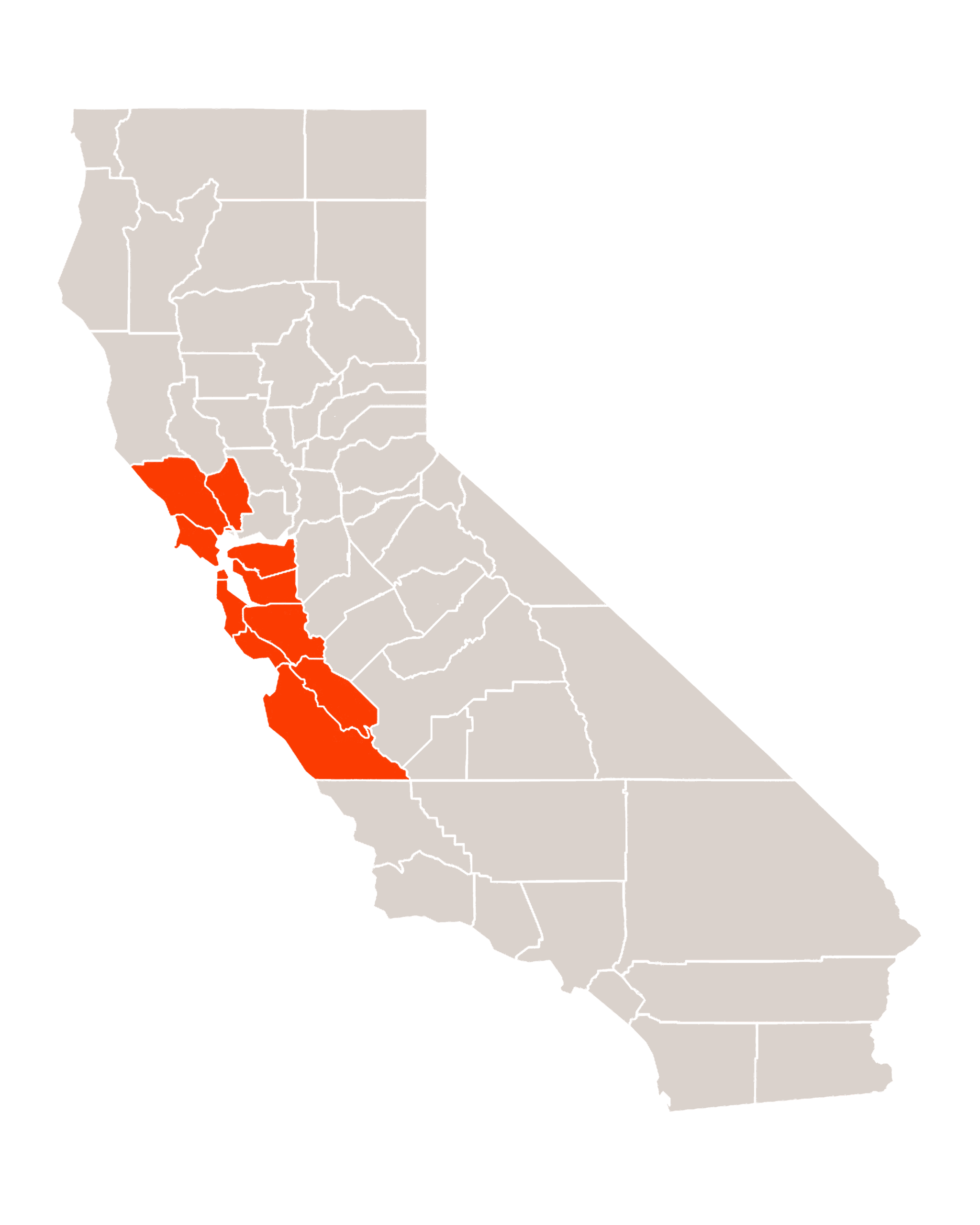
Bay Area
When a San Francisco Chronicle op-ed championed Candlestick Point’s resurgence, Parks California President Kindley Walsh Lawlor responded with a letter that reflected on the importance of community voices:
“The transformation of a former landfill into California’s first urban state park is not only a success story for Bayview-Hunters Point, it is a blueprint for how we reimagine public lands in communities that have historically been overlooked. Candlestick Point State Recreation Area shows that public lands thrive when communities are not just consulted but empowered. Its renaissance is worth celebrating, and its lessons can guide how we steward urban parks across California for generations to come.”
– Kindley Walsh Lawlor President & CEO, arks California
Annual events, like the popular Kite by the Bay Festival, brings hundreds of community members to Candlestick Point State Recreation Area each year.
California’s parks are where history lives, but for too long, the stories told reflected only part of who we are. Parks California partners with State Parks interpreters and educators to change that, delivering inclusive storytellingtraining that helps staff share more comprehensive, representative histories at parks across the state. Three training cohorts are now active, working through some of California’s most significant and complex sites, from mission landscapes and Gold Rush history to sites of battle and massacre.
Every Story Deserves Its Place
Statewide
We care for the landscapes, habitats and resources that sustain California’s future.
Learn more about prescribed fire from Statewide Burn Boss Sarah Gibson
Prescribed fire has long been recognized as one of California’s most effective tools for restoring healthy landscapes, but scaling it requires more than knowledge. It requires a network of practitioners who trust each other across agency lines, jurisdictions and disciplines. When done collaboratively, it is one of the most effective tools for restoring balance, reducing fuel loads and helping ecosystems that evolved alongside fire return to health.
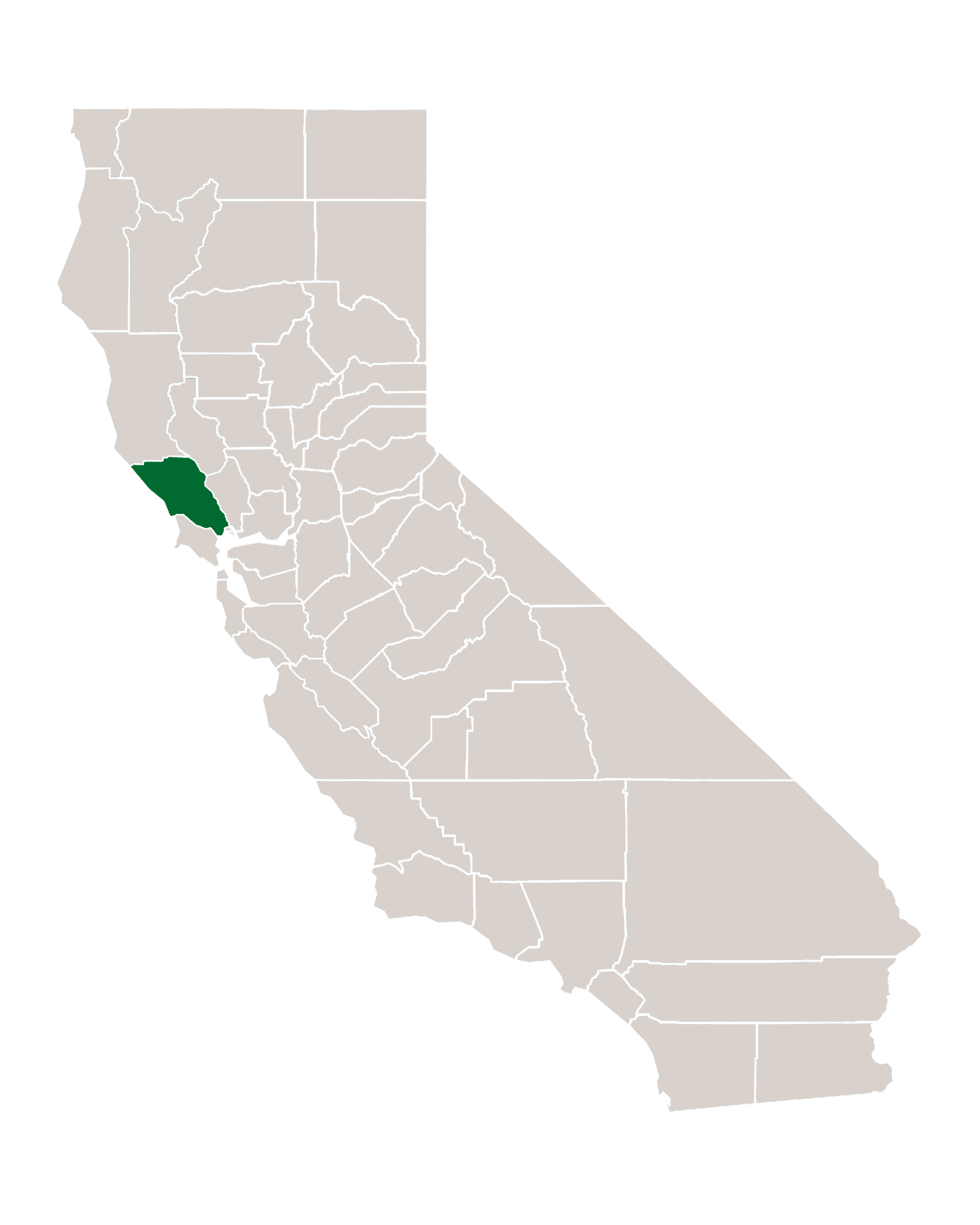
Parks California supported the first-ever Prescribed Fire Training Exchange at Salt Point State Park in Sonoma County, bringing together practitioners from state, federal and international agencies, tribes and land management organizations to share knowledge and build the relationships that make beneficial fire possible.
Intentional Fire Keeps Parks Healthier
Sonoma Coast
Understanding how a changing climate affects California’s parks, and knowing how to talk about it, is part of every park interpreter’s job. Parks California’s Climate Fellow worked alongside State Parks teams in 2025 to develop the training, tools and messaging that help interpreters across the system turn complex science into stories that connect with visitors and inspire stewardship.
Climate Literacy Across Parks
Statewide
The Other Skills Parks Need
Statewide
Managing California’s public lands requires more than technical expertise. It takes people who can navigate conflict, build trust across agencies and bring communities together around shared goals — skills that don’t always come standard.
Parks California helped connect State Parks’ emerging leaders with collaborative leadership training developed with the University of Montana, giving them practical tools for facilitation, negotiation and consensus-building — the kind of skills that strengthen relationships as much as resources.
We help to shape a parks system that is inclusive, innovative and prepared for a changing world.
Corpsmembers participate in 2025 grantee University of California Agriculture and
Natural Resources division courses.
The health of California’s parks depends not just on funding or policy, but on the people who show up every day to restore trails, protect watersheds and welcome communities. Building that workforce is one of the most important investments we can make.
Career Pathways does exactly that. Through multi-year grants to local and tribal partners, the program offers paid, hands-on training in wildfire resilience, habitat restoration, trail building and visitor services, pairing practical skills with mentorship and career guidance for early-career adults who might not otherwise see parks as a place for them.
2025 grantee University of California Agriculture and Natural Resources division created a course that enables corpsmembers to work alongside State Parks staff while learning about environmental careers, blending classroom education with mentorship and hands-on experiences.
None of this happens without philanthropic support that allows Parks California to deepen and extend what State Parks makes possible, reaching more participants, supporting more community-based partners and helping more people find a future in parks.
Inspiring Tomorrow's Parks Leaders
Sacramento
UC Agriculture and Natural Resources, a Career Pathways grantee spotlight
Blueprints
for Rebuilding
Central Coast
After the 2020 CZU Fire burned more than 97% of its landscape, Big Basin Redwoods State Park faced a choice about what comes next, and who gets to decide. Parks California helped guide an inclusive, community-centered planning process that brought together nonprofit and tribal partners to shape that future. The result, a joint Facilities Management Plan released in June 2025, is a five-year milestone: proof that patient, people-first planning can set the stage for a more resilient and welcoming park.
Facilities Management Plan
Not everyone can hike a trail or swim in the Pacific. Immersive technology is bringing parks to life through augmented reality, 3D models and interactive digital tools that let students and families explore places they’ve never been able to reach. Parks California partners with State Parks and its PORTS education program to develop these experiences, including QuiverVision’s interactive AR tools, expanding what a park visit can look like for people of all abilities and circumstances.
Experience Parks
Inside and Out
Statewide
Rebuilding a park after wildfire takes more than construction, it takes the people who know and love that land. The Santa Cruz community grants program funds local organizations that bring neighbors, tribal members and community stakeholders into the planning process, ensuring the future of Big Basin and other local disaster-affected parks reflects the communities they serve. Eight grantees in 2025 connected more than 400 participants to that process, turning lived experience into a resource for more inclusive, resilient park planning.
The Experts Who Live Here
Central Coast
By the Numbers
Revenue $9.8M
65%
$6.3M
State Government
25%
$2.5M
Private Donors
10%
$992K Other
Expenses $10.8M
85%
$9.1M
Program
11%
$1.2M
Development
4%
$474K Mgmt. and General
Programs $9.1M
68%
$6.2M Access and Belonging
18%
$1.6M Parks of the Future
13%
$1.2M Climate and Stewardship
Parks California Financial Summary
$14.7M+
to Local Communities
Parks California co-creates grants programs with California State Parks to build new connections in communities across the state. These grants programs welcome hundreds of local organizations – nonprofits, local government and tribal – into the State Parks’ network with a shared vision to sustain these public lands.
Since our launch, more than 320 grants have been awarded totaling more than $14.7M that helps empower Californians to create their own relationships to nature and the state’s park systems.
Parks California’s 2025 grants programs helped grantees turned $5.2M in grant funds into $8.3 million in community impact through matching fund initiatives.
Because of philanthropic investments, Parks California can help accelerate solutions and pilot new ideas that preserve, protect and sustain California’s public lands.
California’s state parks thrive when the public and private sectors come together around a shared vision. In 2025, Parks California connected tens of thousands of Californians with their parks, invested in the next generation of park stewards and advanced community-centered planning that is making parks more welcoming, accessible and resilient. This kind of partnership strengthens our entire park system. We are deeply grateful for Parks California’s continued commitment to California’s state parks and the communities they serve.
Armando Quintero, Director, California State Parks
Our Advisors
We salute these community leaders who bring their passion and expertise to bear on our work, leaving a lasting legacy.
Steve Lockhart with Kindley Lawlor Walsh, Parks California President & CEO.
Honoring a Founding Voice
Steve Lockhart helped build Parks California from the ground up, and this year, California honored his decades of work making that possible.
Steve, Parks California’s founding board chair and a member of the Parks Forward Commission that established the organization, received the Golden Bear Award, one of the state’s highest recognitions for service to California’s public lands.
As his award submission noted, Steve’s impact on California’s parks “is both structural and deeply personal. As a physician, educator and longtime advocate for equitable access to the outdoors, he has helped reimagine what it means for California’s parks to serve all people, and ensured those values are reflected at every level of leadership.”
That is exactly the spirit this organization was built on.
Deanna Mackey
Chair
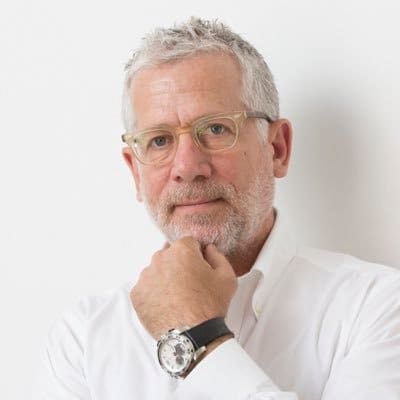
Michael Mantell
Vice Chair
José G. González
Treasurer
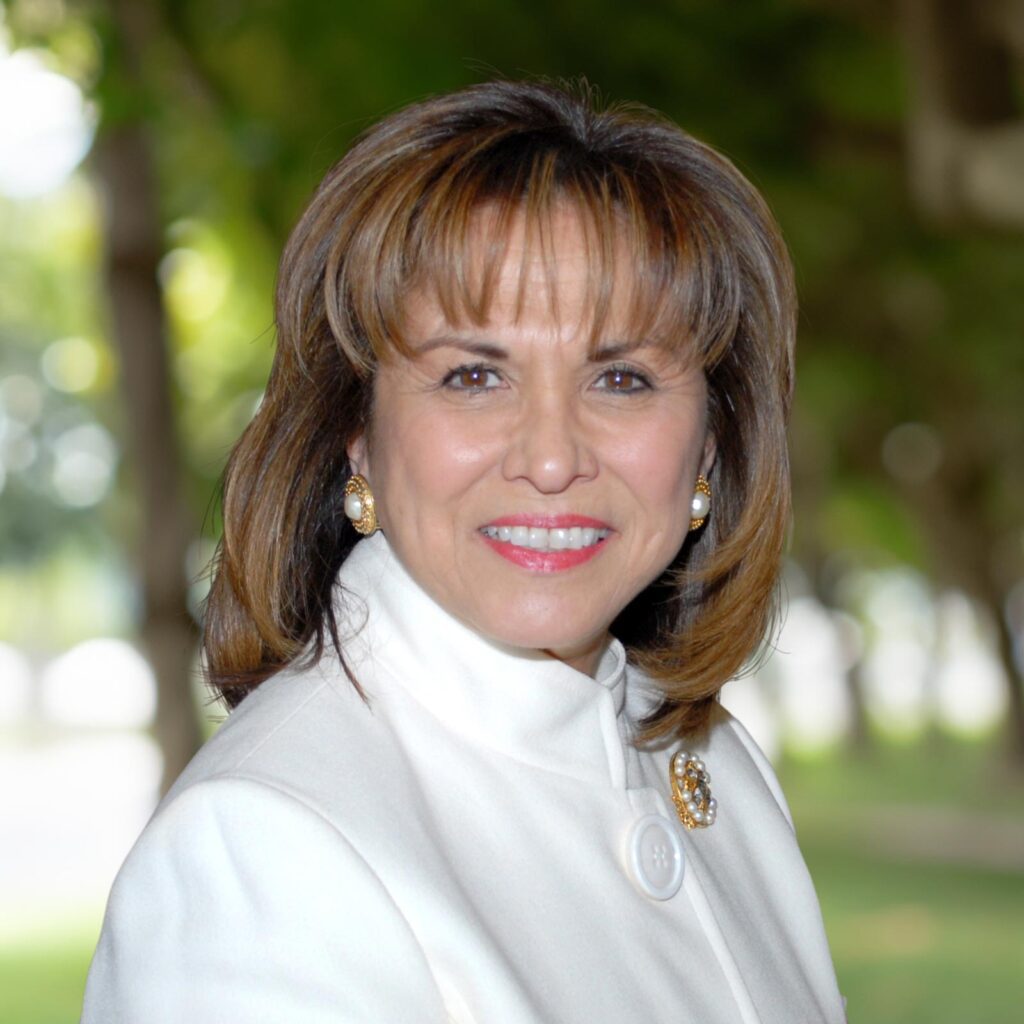
Rosie Clayburn Katri
Secretary
Steve Lockhart
Founding Board Chair
Amy Dominguez-Arms
Board Member
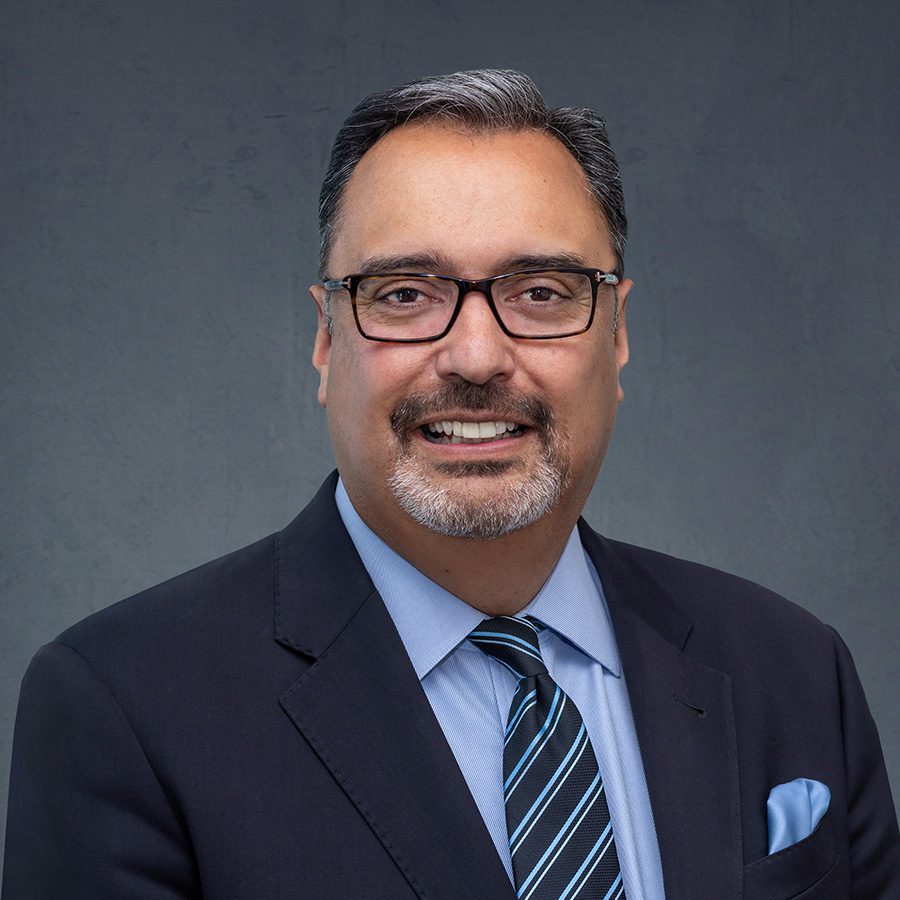
Michael Camuñez
Board Member
Helen Hernandez
Board Member
Rick Keating
Board Member
Adam Verdin
Board Member
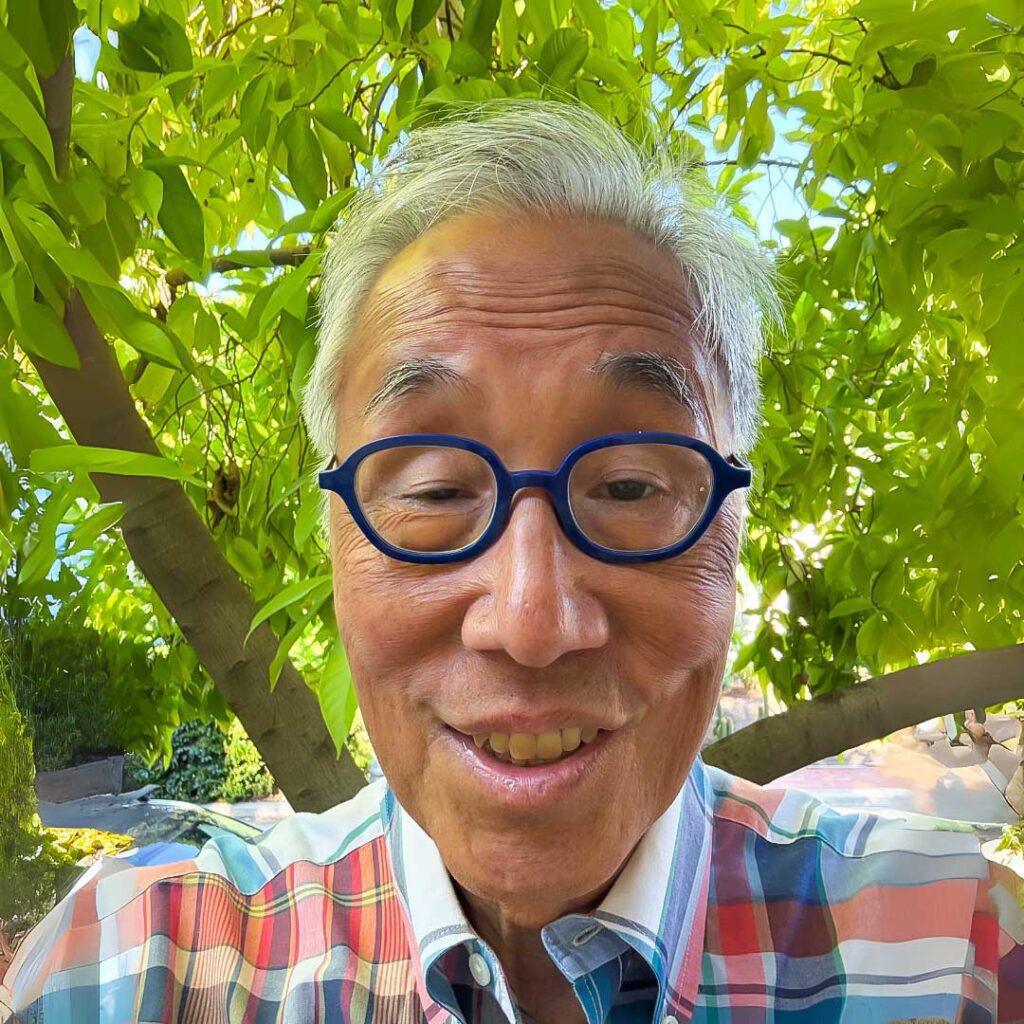
Michael Woo
Board Member
Michele Perrault
Ex-officio Board Member
Armando Quintero
Ex-officio Board Member
Kindley Walsh Lawlor
Ex-officio Board Member
Advisory Council
Dawn Ortiz-Legg
Sean Woods
Sharon Farrell
Lauren B. Dachs
Erica Flores Baltodano, Esq.
Doug Mcconnell
Dr. Caryl Hart
Michael Campbell
Louise Stephens
Board of Directors
Parks California invests in innovative solutions, like the Video Access and Immersive Experiences van (VANNIE), a fully equipped mobile outreach vehicle used to bring parks into classrooms across the state.
Investing Beyond Our Programs
Parks California’s commitment to inclusive parks doesn’t stop with our programs. Through targeted sponsorships, we help remove barriers that keep underrepresented voices out of the room, covering conference scholarships, meals and transportation costs so students, tribal members and community leaders can participate in convenings where decisions about California’s public lands get made. Unrestricted donor investments help fill these gaps, ensuring the people most affected by these decisions have a seat at the table.
Geoff Kish, vice president of programs (Left), accepted the award at the Public Lands Alliance Convention on behalf of Parks California and California State Parks.
In March 2025, Parks California and California State Parks received the Public Lands Partnership Award from the Public Lands Alliance, a national recognition of the partnership’s achievements in public land preservation and expanding the visitor experience. It’s a reflection of what’s possible when public agencies and nonprofit partners work toward a shared mission.
State Model Receives National Recognition
Choose How
to Get Involved
State parks are more than places. They’re powerful gateways to health, connection and discovery. Our parks are part of California’s identity, and it’s up to all of us to ensure they remain open, vibrant and welcoming for everyone and everything that calls them home.