
About Parks California | About Arts in California Parks | Subscribe | Donate
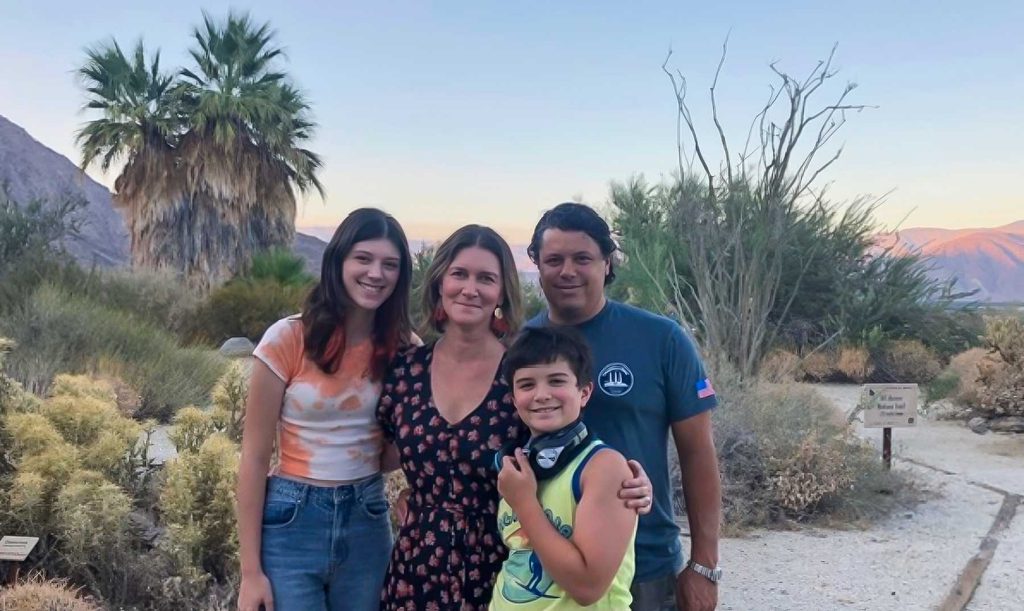
When California shut down in the Covid-19 pandemic, our family, like so many others across the nation, was searching for ways to navigate an uncertain and unfamiliar world. With my children in middle and high school, our routines, activities and connections shifted overnight.
One thing we could still do together was spend a few hours out in nature.
We found ourselves spending more time together in California’s state parks. We kept our distance, followed the guidelines and respected the space of others. Yet, those outings felt different. Without the usual distractions, we could slow down, notice the world around us and simply share time as a family.
I remember feeling grateful for the State Parks staff who continued to care for these places and welcome visitors, even as they faced the same uncertainties we all did. There was a quiet sense of connection among visitors. A few words exchanged on a trail or a story shared from afar became meaningful moments.
That experience deepened a belief I hold: spending time outdoors in nature is essential to our mental and physical well-being.
Nature supports our minds and helps us connect with one another
Time outdoors gives us space to step away from daily pressures. Our public lands offer places to move, breathe, reflect and share meaningful moments with those we care about.
But the benefits go beyond a single walk or hike. Spending time in nature can boost our mood, ease anxiety and nurture our relationships.
We see this every day through programs supported by Parks California. Arts and cultural experiences invite people to gather in parks, connecting with their identity, history and community. Young and older people discover new interests, build confidence and start a lifelong relationship with nature — a connection that supports both physical and mental health.

Through Arts in California Parks, for example, artists and community organizations are creating experiences that invite people into parks in new ways. In San Diego, Fern Street Circus uses circus arts to help children, teens and adults build physical skills and confidence while giving neighbors a reason to gather and celebrate.

In South Los Angeles, ROSE South LA is creating a permanent memorial at Martin Luther King Jr. Park to honor more than 200 missing and murdered Black women and girls, creating a space for healing and hope in the face of grief and loss.
Along the Sonoma Coast, Stewards of the Coast and Redwoods welcomed the Sonoma County Pomo Dancers to the shore for an Ocean Dance as part of Arts in California Parks’ broader effort to bring more art into our state parks. With the Pacific Ocean as a backdrop, the performance wove Indigenous tradition, movement, music and storytelling into the landscape.
These experiences remind us that a park does not have to look a certain way or offer a specific type of activity to foster connection. Sometimes a park is where we hike. Other times, it is where we watch a performance, learn something new, celebrate culture or simply spend time together.
And we are seeing that these invitations matter. Forty percent of participants in Arts in California Parks reported visiting their local park for the first time because of an arts event.
Making parks places where everyone can feel connected
At Parks California, our vision is that more people experience the joy and connection that public lands provide, and that these moments inspire a lifelong relationship with nature and a sense of well-being.
That means removing barriers and supporting community-led programs that reflect the people who live near our parks. It means partnering with California State Parks, tribes, educators and communities to create experiences where everyone feels welcome and included.
It also means caring for the parks themselves because healthy parks support healthy minds and communities. Ahead of World Mental Health Day on Saturday, Oct. 10, I think it’s important we consider how inextricably connected our physical health is to our environment.
Parks depend on healthy ecosystems. The forests, rivers, coastlines and wildlife habitats protected within California’s public lands support our communities and the natural world. Our work in climate resilience and stewardship helps parks adapt to change and ensures these places remain spaces for people to recharge, connect and restore their well-being.
We often talk about access and stewardship as separate ideas, but in our work, they are rooted deeply together. The more people feel a sense of belonging to a place, the more they are inspired to care for it.
Caring for the places that care for us
My children are older now, but I still remember those days when we could step outdoors and simply be. The memories are not about a specific trail or destination. They are about being together, noticing the trees, sharing conversations we might not have had otherwise and feeling part of something greater than ourselves.
I know our family was not alone in finding parks as places for refuge, connection and renewal.
More than six years later, the lesson remains: caring for California’s public lands is caring for ourselves, our communities and one another.
I invite you to join us in sharing that responsibility. Our parks have cared for generations of Californians. Together, we can ensure they continue to do so for generations yet to come. https://www.parkscalifornia.org/donate